City guides
City guides (435)
San Juan
Puerto Rico
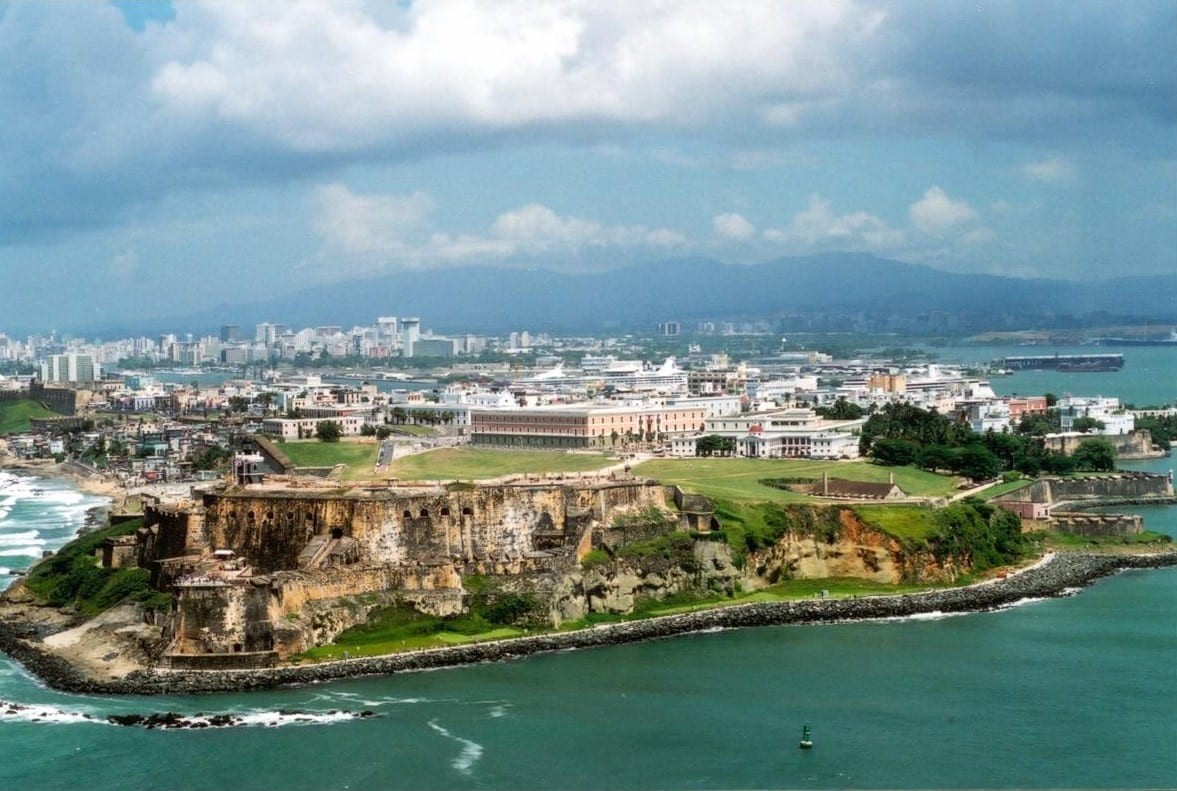
San Juan is the capital and economic heart of Puerto Rico, and the island's deepest, most liquid real estate market. As a U.S. territory, Puerto Rico imposes no restrictions on foreign or mainland ownership; non-residents buy freehold on identical terms to locals, closings run in English and Spanish, and the U.S. dollar is the currency. Act 60 (consolidating the former Acts 20 and 22) continues to draw high-net-worth relocatees, who must acquire a primary residence within two years of their decree, fueling demand in luxury enclaves like Condado. In 2026 the San Juan metro median sits near $654,000 with luxury oceanfront stock reaching $900,000-plus and an average around $527 per square foot. Gross apartment yields run roughly 3.5%-5.2% in the urban core (city average about 4.2%), while beachfront Isla Verde clears 6.7%-8% on short-term rental demand. Island-wide luxury appreciation held at 6%-14% year-over-year into Q1 2026, with Condado prices up 38%-65% since 2020. Short-term rental rules tightened under municipal registration requirements, but tourism volume keeps occupancy strong. San Juan blends colonial-era trophy property in walled Old San Juan with full-service oceanfront towers in Condado and Isla Verde, giving investors both heritage scarcity and resort-grade rental cash flow.

Al Wakrah City Guide
Qatar
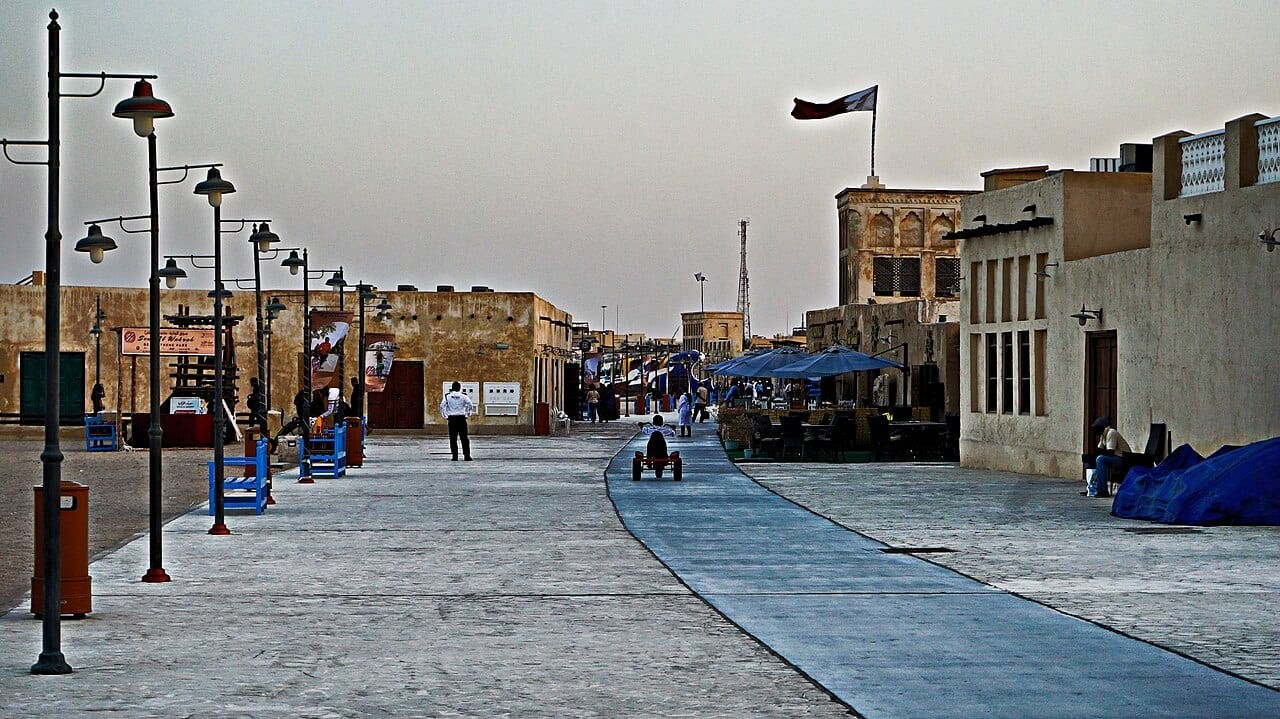
Al Wakrah is Qatar's second-oldest and second-largest municipality, a coastal town just south of Doha that has grown from a pearling and fishing settlement into an affordable commuter and family destination, anchored by the restored 3 km Al Wakrah Old Souq and corniche. The market is value-oriented: mid-income housing is rising on the back of infrastructure spending, with prices up around 6% and gross rental yields typically in the 5-6% range. Foreign buyers should understand Qatar's zonal ownership system: under Law 16/2018, non-Qataris can own freehold only in designated zones and hold usufruct (up to 99 years) in others, and within Al Wakrah it is specific approved areas rather than the whole municipality that are open, so due diligence on the exact plot's status is essential.
Doha City Guide
Qatar
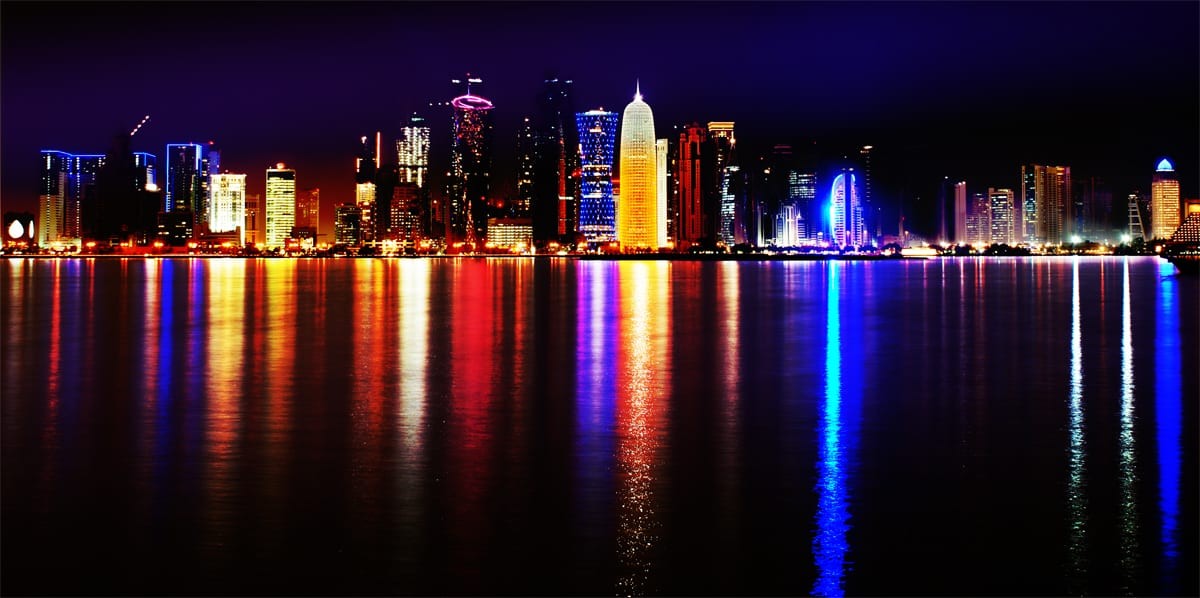
Doha is the capital of Qatar and one of the Gulf's fastest-maturing investment markets, transformed by a decade of pre-World Cup infrastructure and now stabilising into a more sustainable cycle. For foreign buyers, Qatar's freehold framework concentrates opportunity in designated zones - above all The Pearl-Qatar and Lusail City, the master-planned waterfront developments that define the prime segment. Apartment capital values reached around QAR 10,420 per square metre in 2025, with one-bedroom units in The Pearl and Lusail starting near QAR 2.1 million (about USD 577,000), while mid-tier districts such as Al Sadd offer entry points from roughly QAR 1.2 million. Yields are healthy by global standards: Qatar's average gross rental yield was around 5.17% in early 2026, with The Pearl apartments averaging 4.57% (range 3.21-6.58%) and Lusail averaging 5.7% (up to 6.92%). The market turned a corner in 2025 - residential transactions rose 13.2% quarter-on-quarter and 67.1% year-on-year in Q1, and leasing activity accelerated through the year as rents stabilised. The principal headwind is supply: an estimated excess of more than 80,000 units lingers from the construction boom, so investors should favour premium waterfront stock in The Pearl, Lusail, and Qetaifan Island, which commands a 15-30% price premium and sells materially faster than inland units.
Lusail City Guide
Qatar
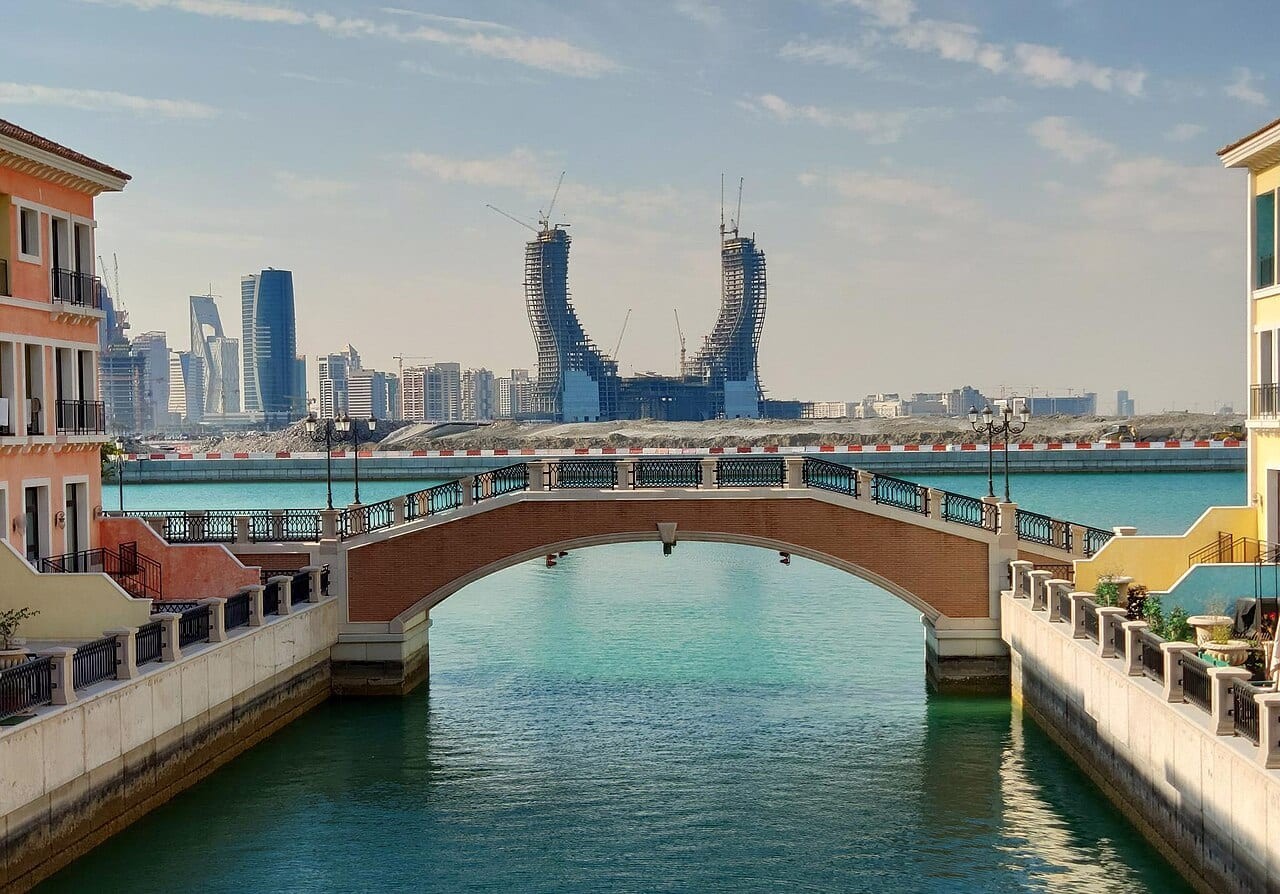
Lusail is Qatar's flagship planned smart city, a 38-square-kilometre development immediately north of Doha conceived around intelligent transport, district cooling, renewable power, and mixed-use waterfront districts. Designed to house more than 200,000 residents and employ around 170,000, it hosted the 2022 FIFA World Cup final at Lusail Stadium and is one of the Gulf's most ambitious urban projects. For foreign investors it is a designated freehold zone where non-Qataris can own property outright and qualify for residency tied to ownership. Apartment values held steady at roughly QAR 10,175 per square metre in Q1 2025, with marquee districts driving demand: the Marina District's waterfront towers, the more affordable Fox Hills mid-rise community, the Waterfront District (around 95% leased), and Energy City. Lusail residential prices rose about 7% in 2024, with luxury segments forecast to grow 10-12% in 2025 as delivery accelerates. Gross apartment yields average around 5.7%, with prime one- and two-bed units reaching 6-7%. Backed by Qatari Diar and billions in committed infrastructure, Lusail enters 2026 as the headline new-build investment address in Qatar, a stable, tax-light, US-dollar-pegged Gulf market.

Bucharest City Guide
Romania
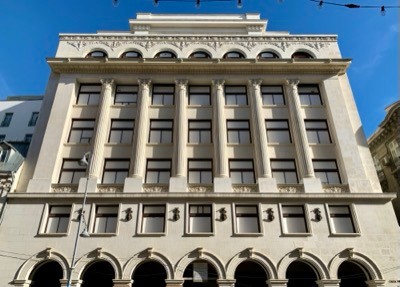
Bucharest (București) is Romania's capital and largest city — population 1.72M (city) / 2.27M (metro) — and the EU's 6th-largest capital. Founded ~14th century, the city earned the moniker 'Little Paris' for its Belle Époque + interwar modernist architecture before Communist-era construction layered massive boulevards + the Palace of the Parliament (world's heaviest building) onto the cityscape. Modern Bucharest combines this layered architecture with rapidly-growing IT/banking/professional services employment. Average property prices reached €2,204/m² in December 2025 (+16.6% YoY), with prime Sector 1 districts (Aviatorilor, Primăverii, Floreasca, Herastrau) at €4,600-€4,900/m² and yields among Europe's most attractive at 7.73-8.04% average.
Cluj-Napoca City Guide
Romania
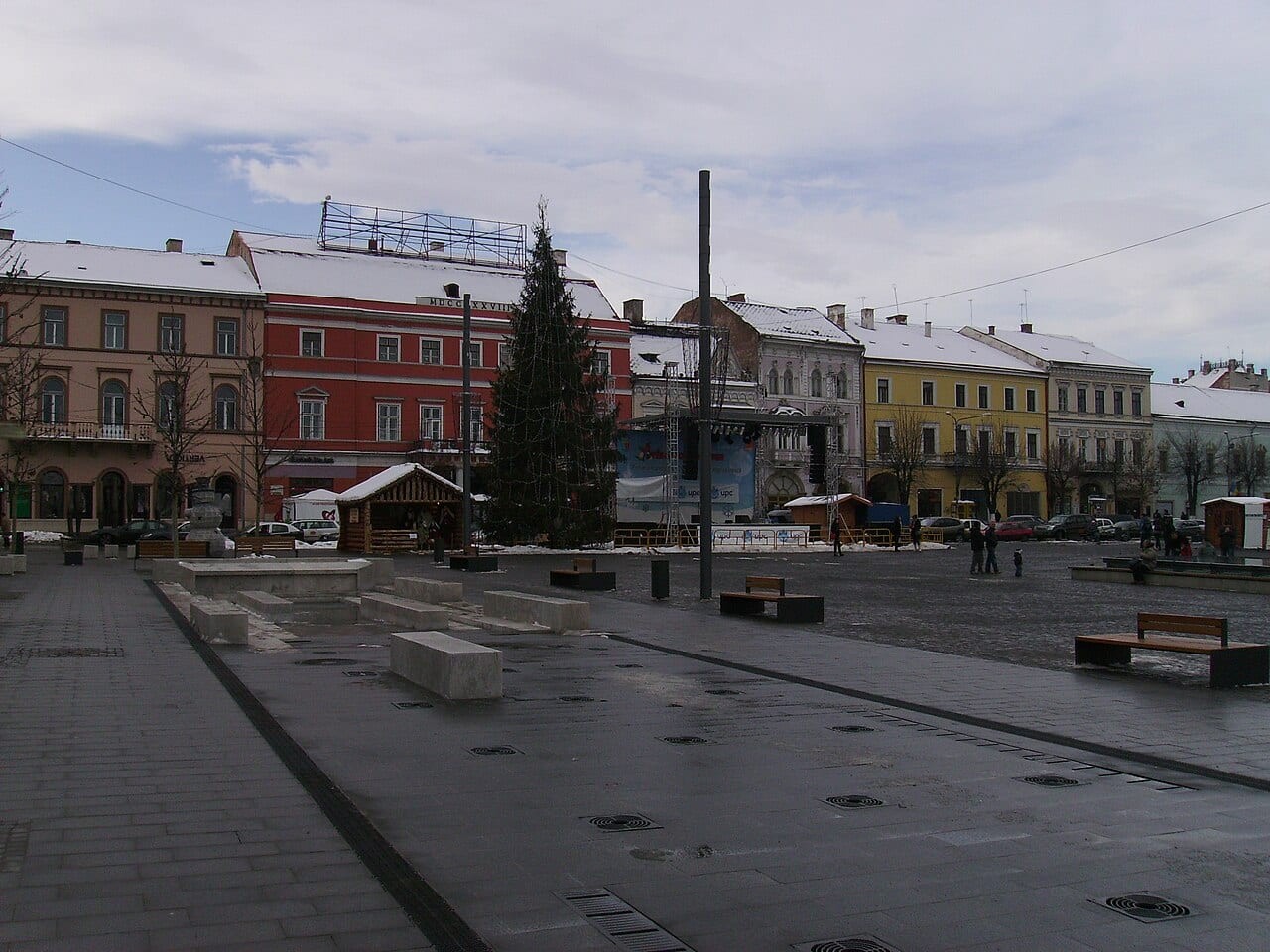
Cluj-Napoca is Transylvania's capital and Romania's leading tech and IT hub, home to 1,200+ tech companies and 20,000+ IT specialists, which has made it the country's most expensive housing market, the first Romanian city to break €3,000/m² (now ~€3,235/m²). A massive student base (Babeș-Bolyai University alone has ~50,000 students, plus five more universities) underpins year-round rental demand and the country's highest student-per-capita ratio. For investors it is a high-demand, tight-vacancy market: prime-area vacancy runs ~2–4% and well-priced units let in 7–15 days, with city-wide gross yields ~4.4% rising to 5–6.5% in value and student districts.
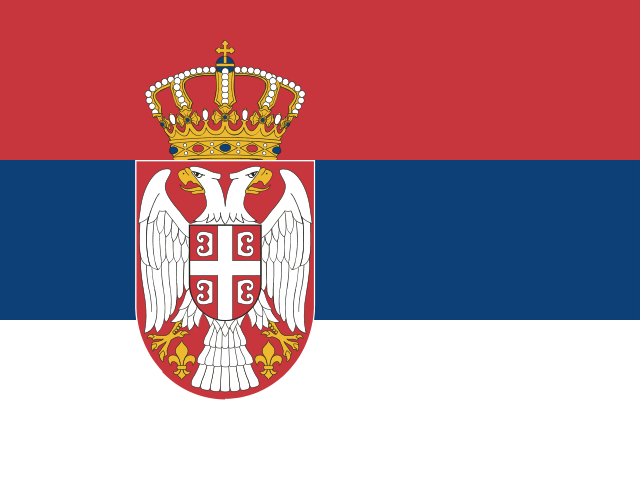
Belgrade City Guide
Serbia
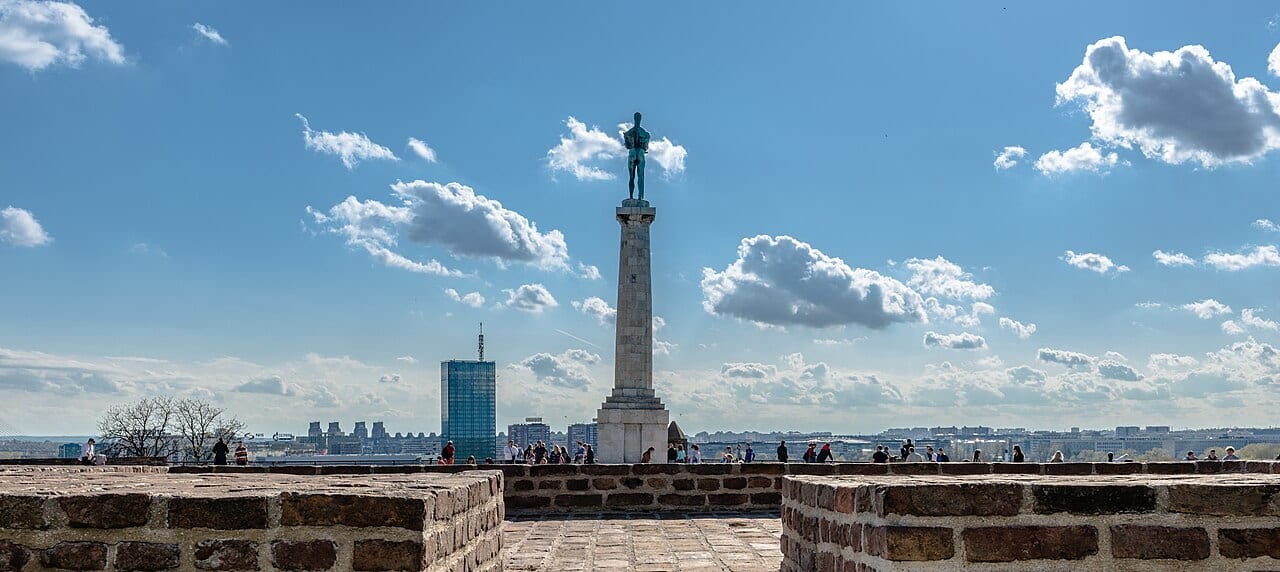
Belgrade is Serbia's capital and largest city, the economic and cultural heart of a metro area of roughly 1.4 million at the confluence of the Sava and Danube rivers. Over the past decade it has been one of the Balkans' most dynamic property markets, transformed by the multi-billion-euro Belgrade Waterfront (Beograd na vodi) regeneration of the riverfront, where penthouses have traded near EUR 9,800 per square metre. Citywide, average apartment prices sit around EUR 2,600 per square metre as of early 2026, with prime central districts, Stari Grad (the old town, near EUR 3,800/sqm) and Vracar (EUR 3,500-4,000/sqm), commanding the top end and the business-led Novi Beograd (New Belgrade) spanning roughly EUR 2,600-3,500/sqm. After several years of double-digit gains, the market has shifted to a steadier footing: prices rose about 5-6% year-on-year into the first half of 2026, with forecasts of moderate 4-7% growth and a central scenario near 5-6%. Gross rental yields in Belgrade average around 6.35%, with non-premium districts such as Zvezdara and Vozdovac offering stronger yield-to-price ratios than trophy central stock. A growing tech and services economy supports rental demand.
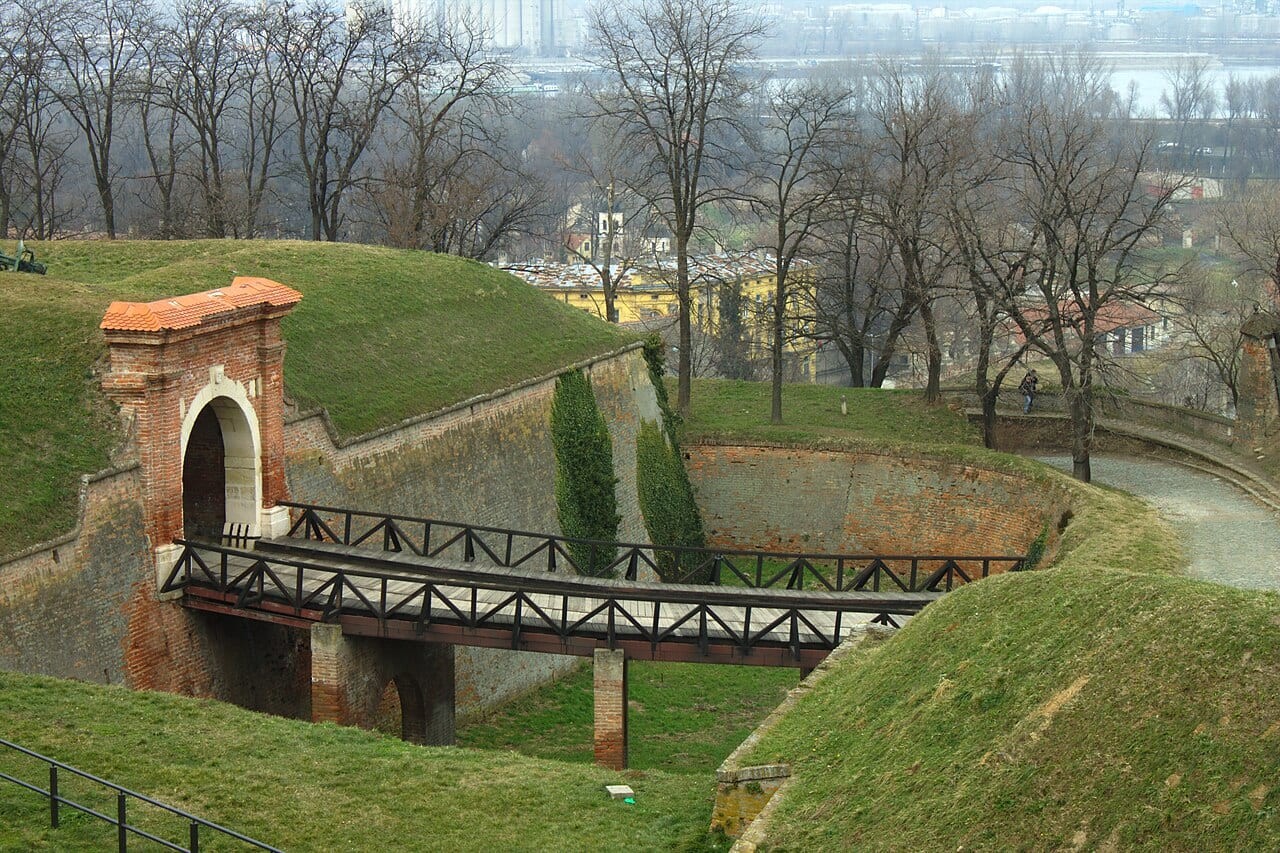
Novi Sad City Guide
Serbia
Novi Sad is Serbia's second-largest city and the capital of the autonomous province of Vojvodina, a Danube-side city of roughly 250,000 known historically as a cultural and university centre and increasingly as the country's fastest-rising technology hub. Its ICT sector employs an estimated 11,500-13,000 professionals across more than 380 companies, generating around EUR 420 million in annual revenue and accounting for roughly 28% of Serbia's IT exports despite the city holding about 12% of the national population. That tech-led growth, alongside the University of Novi Sad and the EXIT festival, is driving demand for modern apartments and office space. Average residential prices sit near EUR 1,800 per square metre as of 2025, well below Belgrade's EUR 2,600, making it a comparatively affordable entry point, with prices rising about 5-6% year-on-year in line with the national market. Asking rents run roughly EUR 10-12 per square metre, and gross rental yields average around 4.79%, lower than Belgrade's, reflecting Novi Sad's more end-user, owner-occupier character. The 2026 outlook is for broad stability with slower, steadier growth.
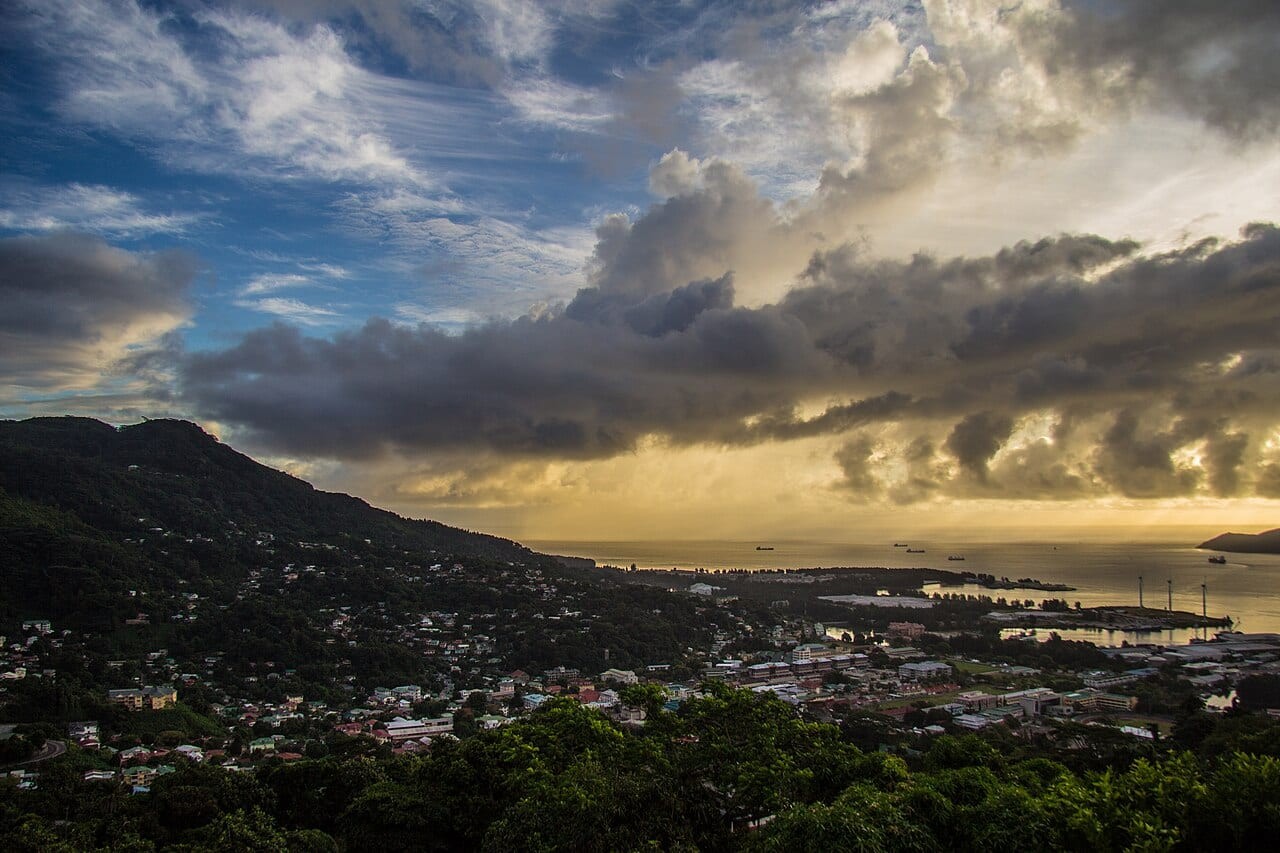

Victoria City Guide
Seychelles
Victoria is the capital of Seychelles and one of the world's smallest national capitals, set on the north-east coast of Mahé, the largest island of the Indian Ocean archipelago. As the country's administrative, commercial, and port centre, Greater Victoria anchors the most accessible property market in a nation otherwise known for ultra-luxury resort villas. Listings across Seychelles average around US$1.3 million with a wide range from roughly US$480,000 to over US$25 million, and the marquee development for foreign buyers is Eden Island, a private, artificially created marina community off Mahé that is pre-approved for foreign ownership and reports strong rental demand and yields around 6–8%. The government lifted its foreign-ownership moratorium in January 2025; non-Seychellois must obtain a Government Sanction (typically a 5% fee), pay 5% stamp duty, and face an annual 0.5% property tax on foreign-owned property, but there is no capital gains or inheritance tax. Demand is underpinned by Seychelles' high-end tourism economy and political stability. The risks are the very small and illiquid market, the high entry price point, regulatory friction for foreigners outside designated developments, and exposure to tourism cycles and climate-related sea-level pressures.
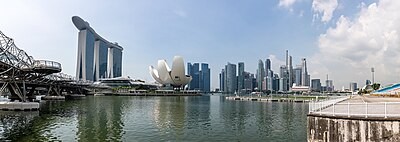
Core Central Region (CCR)
Singapore
Singapore's premium residential zone encompassing Districts 1, 2, 4, 6, 9, 10, and 11 — home to iconic addresses like Orchard Road, Marina Bay, Sentosa Cove, River Valley, Bukit Timah, and Novena. The CCR commands an average PSF of SGD $2,228 (Q1 2025) and attracts the highest share of foreign buyers of any region. After an 11.8% PSF correction following the 2023 ABSD hike, the CCR recovered with +4.5% growth in 2024 and is forecast to grow 1.8-2.0% in 2026. Luxury new launches regularly exceed SGD $6,000 PSF, with the strongest tenant demand from C-suite executives, finance professionals, and embassy staff.
Rest of Central Region (RCR)
Singapore
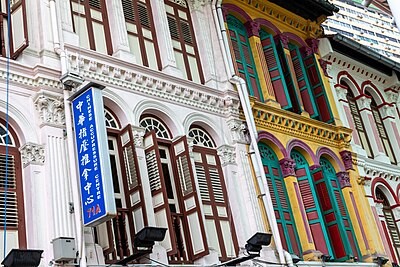
Singapore's 'sweet spot' for property investment, the RCR spans Districts 3, 5, 7, 8, 12, 13, 14, and 15 — covering vibrant neighborhoods like Queenstown, Tiong Bahru, Toa Payoh, East Coast/Katong, and Bugis-Kampong Glam. Averaging SGD $1,896 PSF (Q1 2025), the RCR posted the strongest price gains of any region at +5.8% in 2024 and is forecast to grow 2.2-2.5% in 2026. Rich in Peranakan and Art Deco heritage, major government redevelopment plans, and excellent F&B culture, the RCR delivers the best balance of value, lifestyle, and capital growth potential.
Outside Central Region (OCR)
Singapore
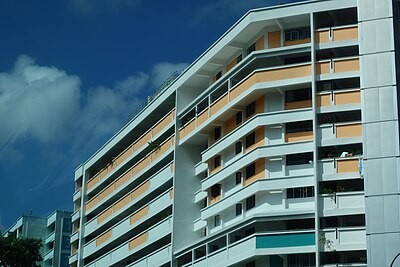
Singapore's most affordable and highest-yielding residential region, the OCR spans Districts 16 through 28 — covering major towns like Jurong East, Tampines, Woodlands, Punggol, and Sengkang. Averaging SGD $1,545 PSF (Q1 2025) with rental yields of 3.5-4.0% (the highest in Singapore), the OCR grew 3.7% in 2024 and is forecast to lead all regions at 2.8-3.0% in 2026. Backed by massive government infrastructure investment including the Jurong Lake District second CBD, Punggol Digital District, and new MRT lines, the OCR represents Singapore's most compelling long-term growth story.
Bratislava City Guide
Slovakia
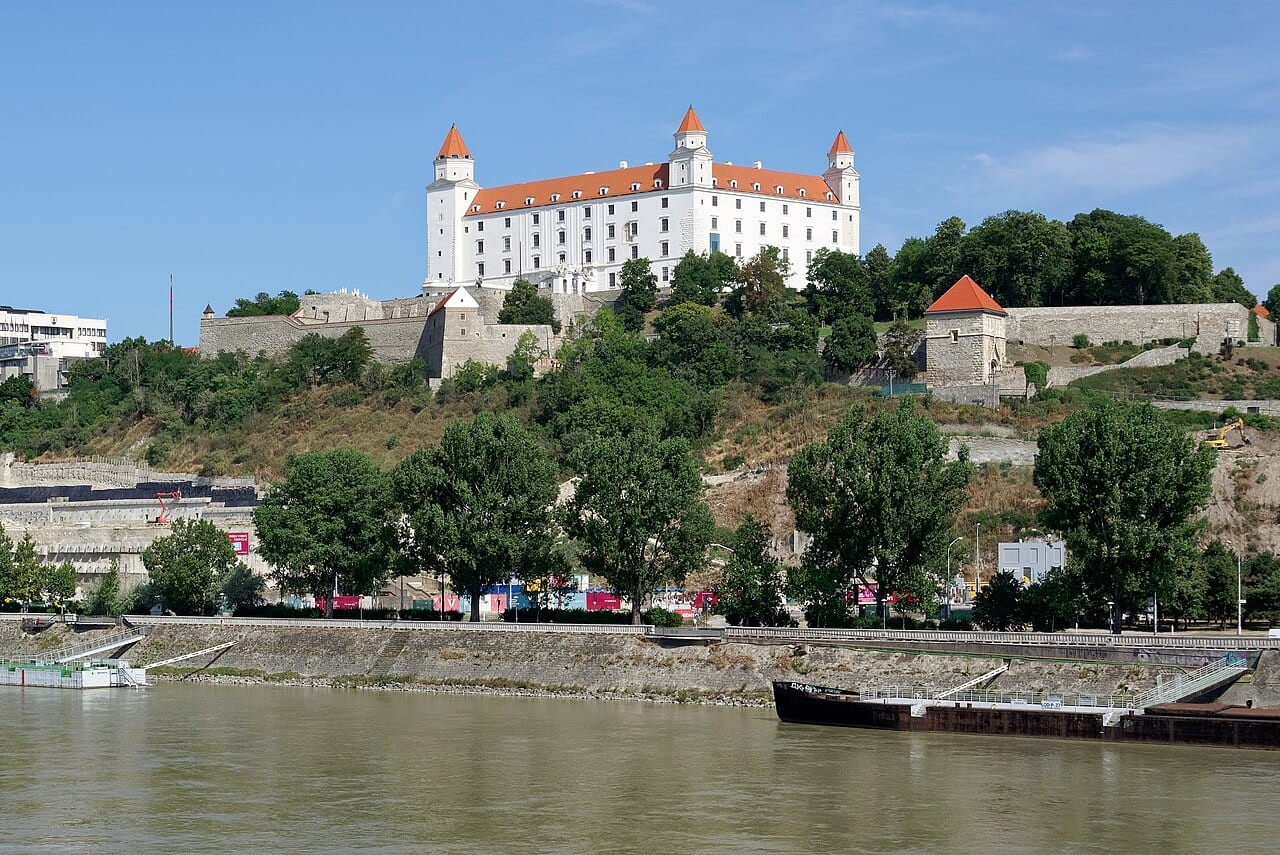
Bratislava is the capital and largest city of Slovakia, set on the Danube in the country's far southwest at the border of Austria and Hungary, roughly an hour from Vienna, making it half of one of Europe's closest capital-city pairings. The city proper holds ~475,000–480,000 registered residents (the municipality estimates over 500,000 actual), within a Bratislava Region of ~730,000 and a cross-border metro area approaching 1.3 million. Bratislava is the economic engine of Slovakia, generating roughly 26–30% of national GDP from under 10% of the population. Its economy is anchored by automotive manufacturing (Volkswagen Slovakia operates one of its largest plants here) alongside a fast-growing IT, shared-services and financial sector. The Bratislava Region has long ranked among the wealthiest in the EU by GDP per capita in purchasing-power terms. Slovakia joined the EU in 2004 and adopted the euro in 2009, giving Bratislava eurozone currency stability and frictionless capital access. Combined with open foreign-ownership rules (non-EU buyers can purchase residential property freely; only agricultural/forest land is restricted), low transaction costs (NO real-estate transfer tax), and the most liquid, highest-priced property market in the country, Bratislava is Slovakia's primary destination for domestic and international real-estate investment. Note: Slovakia has no golden-visa / residence-by-investment programme, buying property does not grant residency.
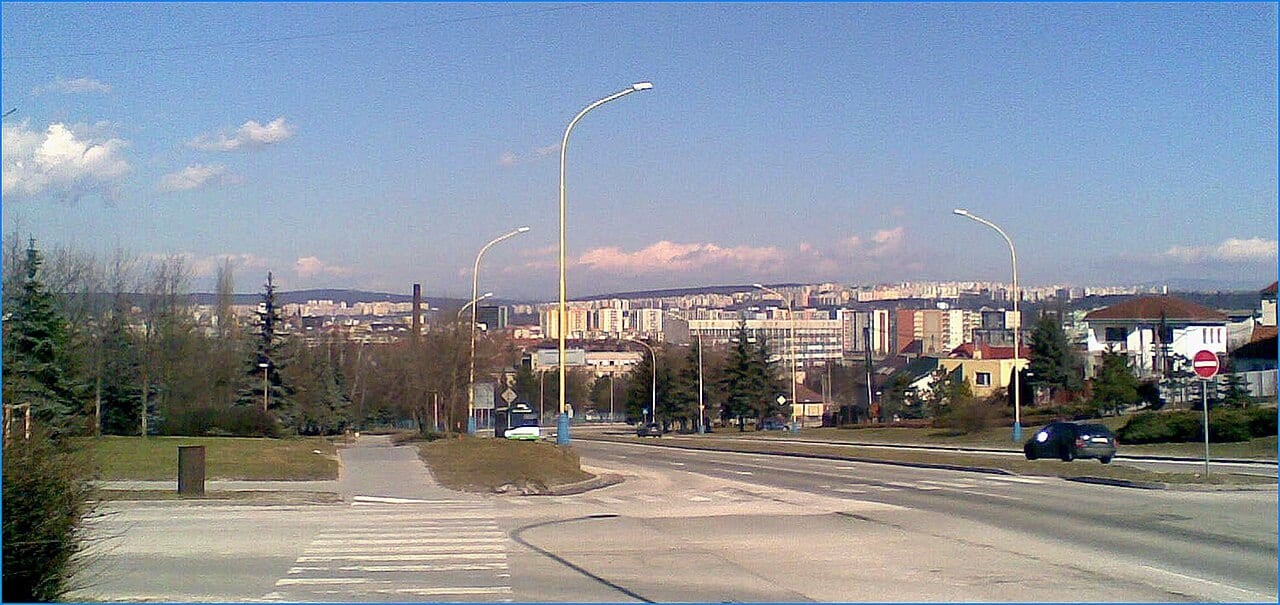
Kosice City Guide
Slovakia
Slovakia's second-largest city and the metropolis of the country's east, Košice has emerged as one of Central Europe's strongest catch-up property markets. With a population around 230,000, a Gothic old town centred on St Elizabeth's Cathedral, a major steelworks (U.S. Steel Košice), a growing IT and shared-services cluster, and over 50 recent startups, the city combines industrial heft with a young, mobile workforce. Property values surged in 2025, with prices per square metre rising about 20% year-on-year to roughly EUR 2,500, the fastest regional growth in Slovakia alongside neighbouring Presov, yet Košice remains markedly cheaper than Bratislava. Rental yields run above the national average at around 5.2%, with well-positioned two- and three-room apartments among the best performers; rents of roughly EUR 720 per month are the highest of Slovakia's regional cities, supported by an occupancy rate near 85%. As a Eurozone member, Slovakia offers currency stability, and a planned Volvo electric-vehicle plant in the wider eastern region (production targeted for 2027) is expected to add further housing demand. For investors, Košice offers Bratislava-adjacent fundamentals at a meaningful discount with clear appreciation momentum.
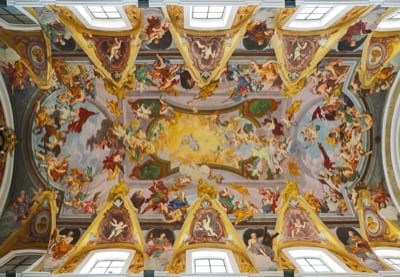
Ljubljana City Guide
Slovenia
Ljubljana is Slovenia's capital and largest city — population 295-297K (metro) — and one of Europe's most well-preserved Baroque-Art Nouveau-Modernist capitals. The city was substantially redesigned by Slovenian architect Jože Plečnik in the 1920s-1940s (the Triple Bridge, Žale Cemetery, National + University Library), giving Ljubljana a uniquely coherent architectural identity. Modern Ljubljana hosts Slovenia's government, central bank, university (founded 1919), a growing tech sector, and the EU's 3rd-greenest capital (Tivoli Park 5 km², plus Šmarna Gora + Rožnik hill access). Median property prices reached €4,510/m² for 2nd-hand apartments — making Ljubljana 55% more expensive per square metre than the Slovenian national median. The city is the highest-priced Slovenian market. Gross rental yields average 4.34%.
Piran City Guide
Slovenia
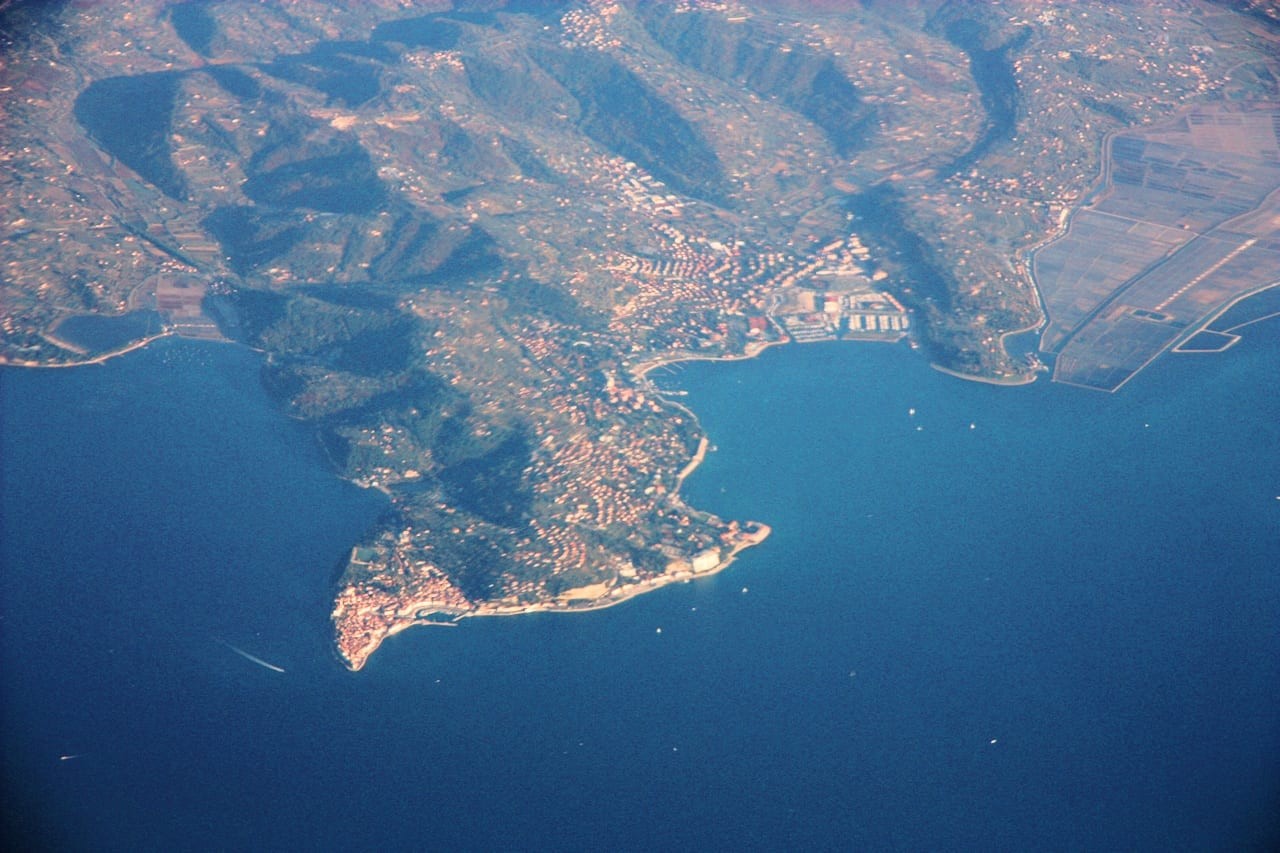
Piran is the jewel of Slovenia's short 47-kilometre Adriatic coast, a near-perfectly preserved Venetian-Gothic town of tile roofs, marble squares, and a medieval harbour that ranks among the most photogenic on the Mediterranean. As a protected heritage zone with almost no scope for new construction, its property market is defined by scarcity: Old Town apartments fetch roughly EUR 4,500-7,000 per square metre, and rare seafront or harbour-facing units reach up to EUR 8,500. Across the wider Obala coastal belt, which includes Koper, Izola, Portoroz, Ankaran and Piran, older apartments carried a 2024 median around EUR 4,320 per square metre, comparable to the capital Ljubljana. Demand is overwhelmingly lifestyle-led: second-home buyers, retirees, and capital-preservation investors drawn by the heritage setting, the adjacent Portoroz resort and marina, and Slovenia's Eurozone and EU stability. National prices cooled to about 2.7% year-on-year by Q3 2025 after a 7.6% gain in 2024, and Slovenia's average gross rental yield sits near 4%. Piran is therefore a capital-appreciation and lifestyle play rather than a high-income one. With a municipal population near 18,000 and tightly capped supply, it enters 2026 as Slovenia's premier coastal address.

Busan City Guide
South Korea
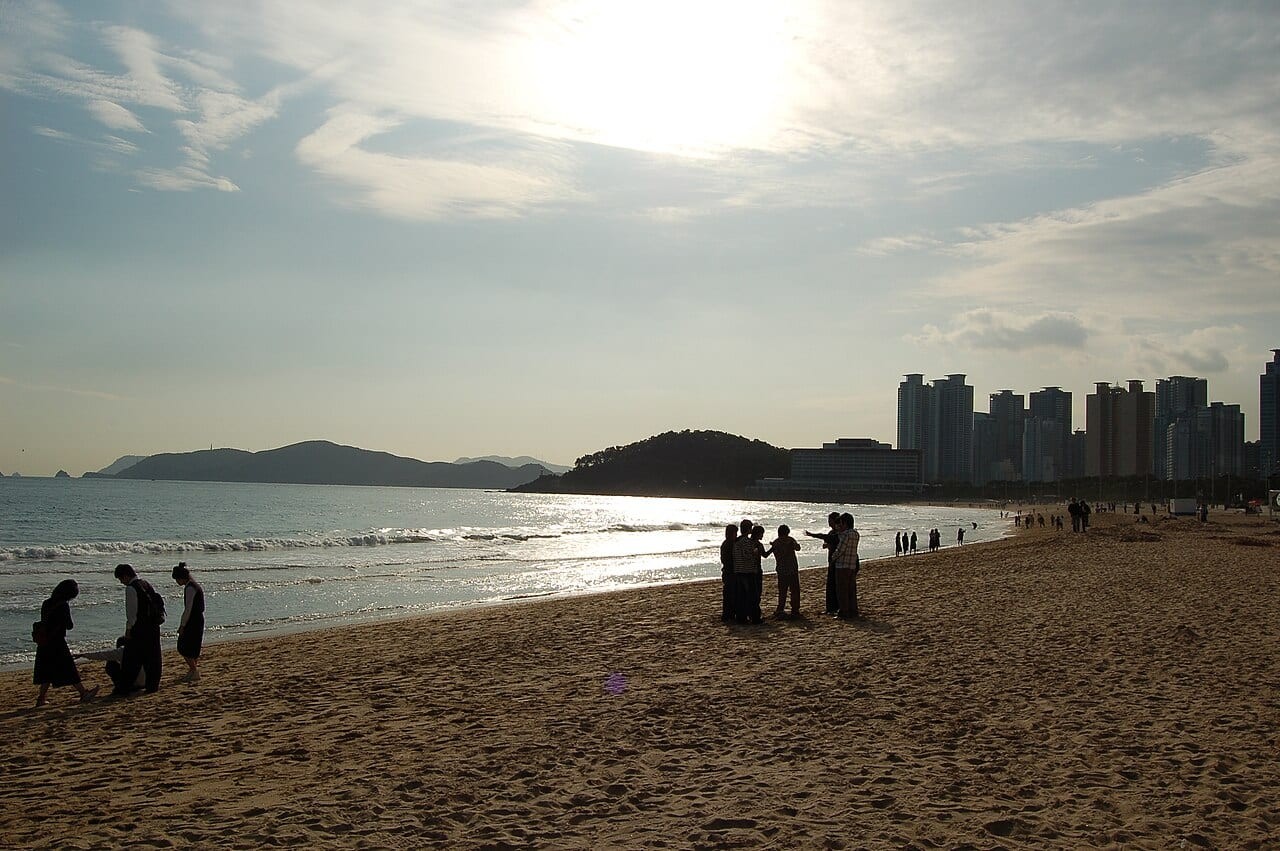
Busan is South Korea's second-largest city and its maritime gateway, home to one of the world's busiest container ports and a coastal lifestyle that has made it the country's premier domestic and short-let tourism destination. For investors, Busan offers a markedly more affordable entry point than Seoul - average prices sit near KRW 6.69 million per square metre, so a standard 84-square-metre apartment typically falls in the KRW 420-500 million range (roughly USD 295,000-350,000), with living costs 10-25% below the capital. The marquee districts cluster along the coast: Haeundae, with its beachfront high-rises and the LCT skyscraper complex, and neighbouring Gwangalli, prized for its beach and the Gwangan Bridge skyline, command the city's top values and the strongest short-let demand. The central business and retail hub of Seomyeon in Busanjin-gu anchors long-term rental demand, while Marine City and Centum City reinforce Haeundae's status as the luxury core. After prices softened around 5% from their 2024 peak, 2025 turned modestly positive (individual housing prices up roughly 1.47%), creating a relative buyer's market. Long-term residential yields are thin at 1.5-2%, but studios and officetels in tourist hotspots can achieve 3-5% gross via short-let, supported by over 1.8 million foreign visitors and a booming Airbnb segment.
Seoul City Guide
South Korea
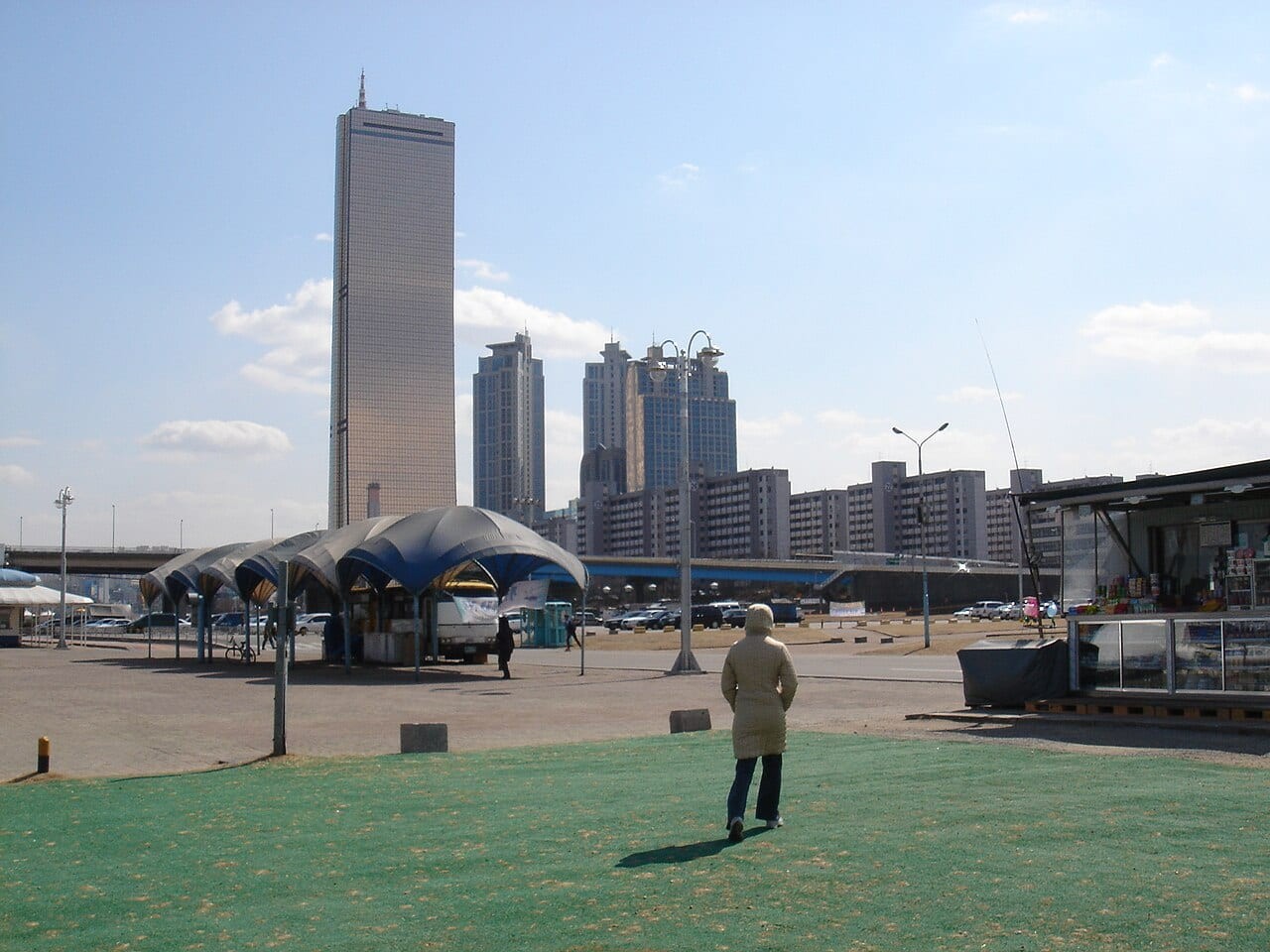
Seoul is the financial, technological, and cultural engine of South Korea, concentrating roughly half of the nation's economic output within its metropolitan region and hosting the global headquarters of Samsung, Hyundai, LG, and SK. For property investors, the capital pairs deep, liquid demand with one of Asia's most acute structural undersupply problems: limited new housing relative to household formation has continued to compress vacancies and push prices higher across the city's marquee districts. The luxury benchmark remains Gangnam, where prime apartments command KRW 25-40 million per square metre, alongside the riverside towers of Seocho and the redeveloping Yongsan district anchored by the International Business District. More accessible entry points exist in Mapo, home to the Hongdae creative cluster and Yonsei University, and in eastern districts such as Seongdong, where the Seongsu-dong tech and design scene has driven rapid gentrification. Citywide average prices sit near USD 9,272 per square metre, with Seoul homes averaging close to KRW 1.4 billion - roughly three times the national figure. After apartment prices rose approximately 8.7% in 2025, the fastest annual gain in nearly two decades, the Bank of Korea and macroprudential lending curbs have moderated the trajectory into 2026, leaving Seoul a high-conviction capital-growth market underpinned by scarcity rather than yield.
Basseterre City Guide
St Kitts and Nevis
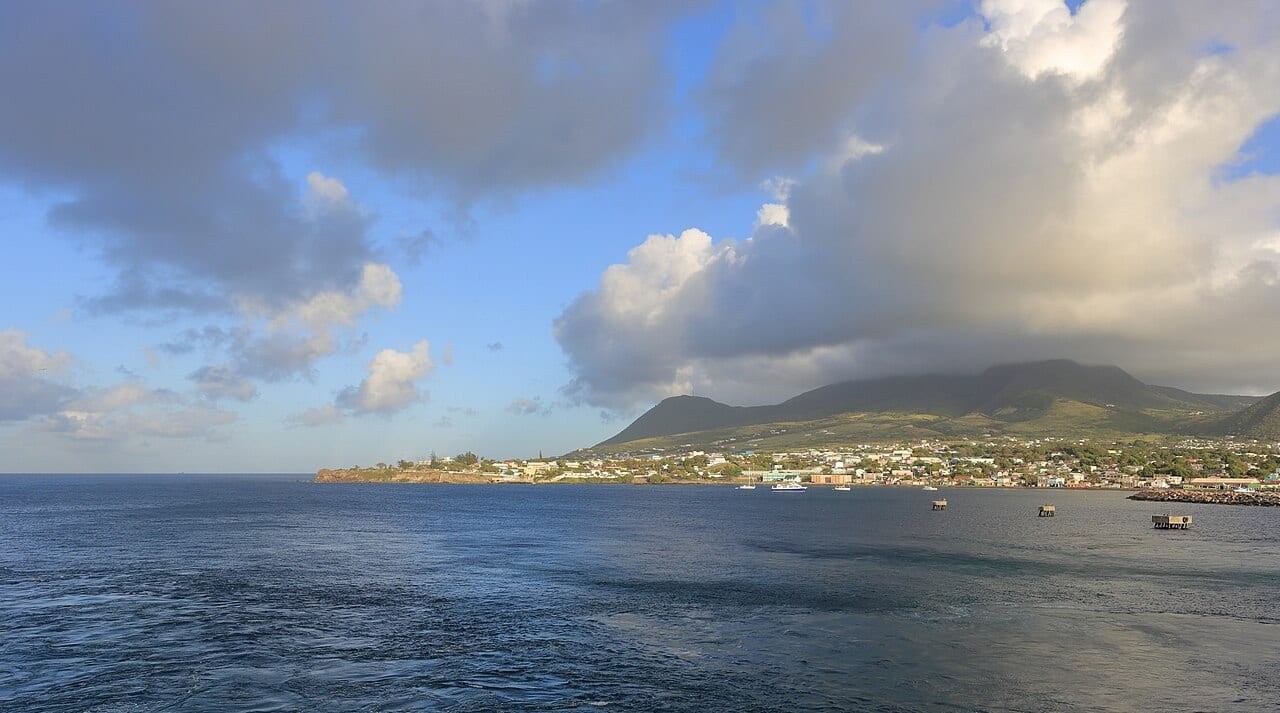
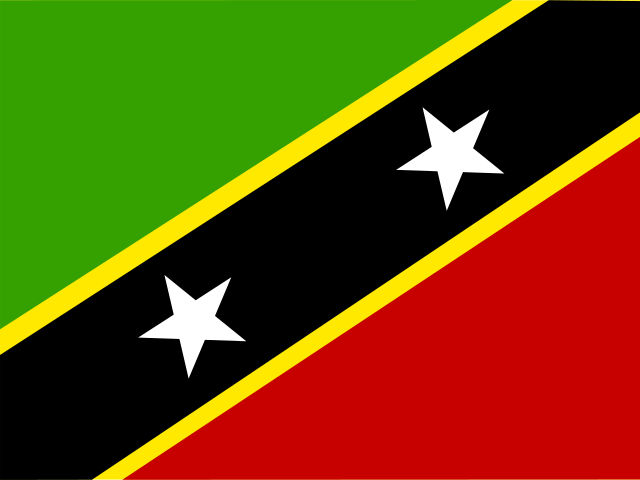
Basseterre is the capital of St Kitts and Nevis and the commercial and cruise gateway of the two-island federation, sitting on the south-western coast of St Kitts around the colonial-era Independence Square and the bustling Port Zante cruise terminal. Home to roughly a third of the nation's population within Saint George Basseterre Parish, the city anchors a property market built almost entirely around the world's oldest Citizenship by Investment programme, launched in 1984. Foreign demand concentrates on the Frigate Bay corridor and the South East Peninsula, where hotel-branded condos and resort residences start near US$325,000 and modern single-family homes with sea views run US$400,000 to US$1 million. Tourism is the dominant economic engine, the federation welcomed more than 800,000 visitors in 2025, the bulk arriving by cruise at Basseterre, which underpins short-let demand but also exposes the market to seasonality and cruise-traffic volatility. Buyers are drawn by US-dollar-pegged pricing (the EC dollar is fixed to the USD), no personal income tax, and a stable, English-speaking common-law jurisdiction, though the small, illiquid market and reliance on the CBI programme remain the central risks to capital values.
Castries City Guide
St Lucia
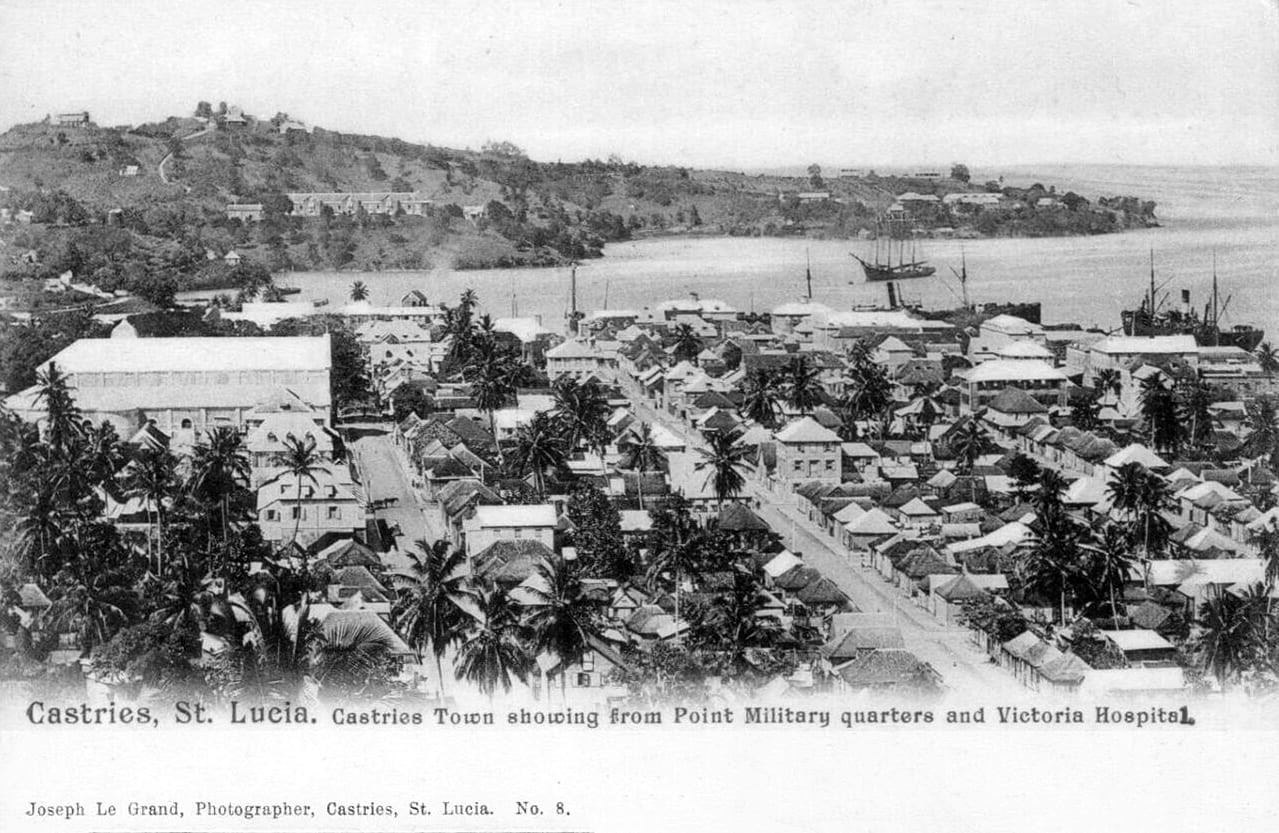
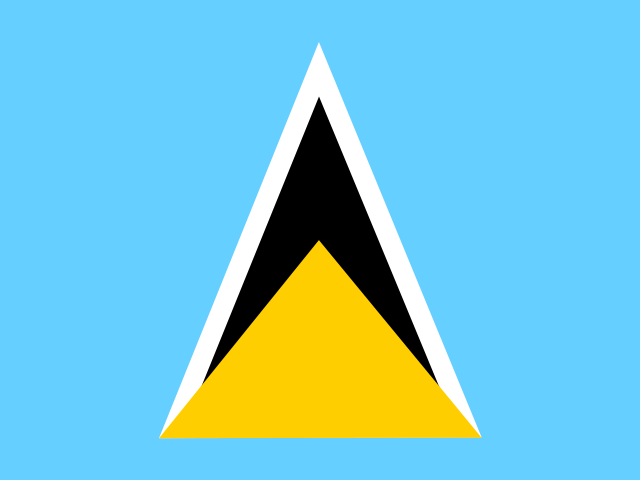
Castries is the capital and economic heart of St Lucia, set around a sheltered natural harbour on the island's north-west coast and serving as the country's main cruise port, administrative centre, and commercial hub. The Castries Quarter holds the largest concentration of urban housing, apartment buildings, and commercial property on the island, and the surrounding north-coast corridor toward Gros Islet and Rodney Bay carries the bulk of foreign-buyer and resort activity. Sea-adjacent one-bedroom apartments start around US$212,000 while colonial villas in the prime north can exceed US$5 million, with average prices roughly US$1,200 per square metre in the city and higher near the coast. Rental yields are seasonal and tourism-led, typically 3–5% on long lets but materially higher in peak season on well-placed short-term rentals. St Lucia's Citizenship by Investment programme channels much of the international interest, and a 2–5% property transfer tax applies. Castries is the most expensive place to live on the island; the key risks are the small, illiquid market, exposure to tourism cycles and hurricane season, and pricing that is the steepest in St Lucia.